Backstop and practice cage netting
Specifications
| Product | Baseball backstop / cricket practice cage netting |
|---|---|
| Material | PP / PE / nylon per supplier listing; polyester per supplier description |
| Mesh | 20 x 20 mm (0.79 x 0.79 in); 45 x 45 mm (1.77 x 1.77 in) and 50 x 50 mm (1.97 x 1.97 in) also listed |
| Twine diameter | 1 mm (0.04 in), 2 mm (0.08 in), 3 mm (0.12 in) or 4 mm (0.16 in) on the 20 mm mesh, supplier-documented |
| Width | 1-10 m |
| Length | 10-100 m |
| Colours | Green, blue, yellow, red, black |
| Supplier-stated lifespan | 5 years |
| Supplier-listed technical minimum | From 1 sq m. Not a commercial offer; viable quantity confirmed per specification. |
| Lead time | Supplier states express 1-2 weeks, sea freight around 30 days; delivery scope and timing require written confirmation. |
When to use it
Use it when
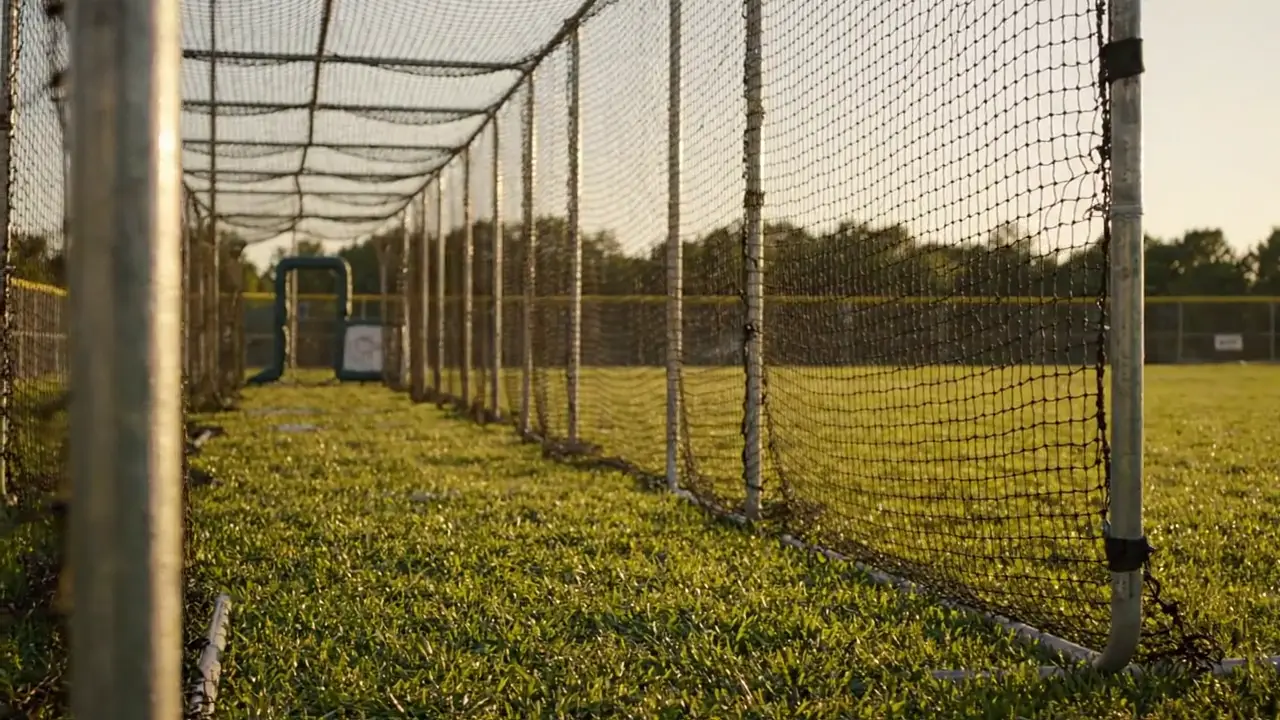
You are building or re-netting a batting cage, backstop or practice lane and need panels cut and sewn to your frame dimensions.
Do not use it when
You only need a light perimeter barrier around a field: cage-weight netting is heavier and costs more than the job requires, so use the ball stop range instead.
Common buying mistake. Using one light netting weight everywhere. The panel behind the hitting position takes concentrated repeated impact; specify the heavier factory twine there even if the side and roof panels stay light.
Specify each panel in your cage range
Use separate configurations for sides, roof and impact panels. For each one, send the finished dimensions, netting specification and quantity. Tell us if this is a first order, a replacement range or recurring supply. Supplier-listed technical minimums are not a commercial offer; material, mesh measurement, finished dimensions, packing, viable quantity and delivery scope are confirmed in writing.
Documented sourceable specifications
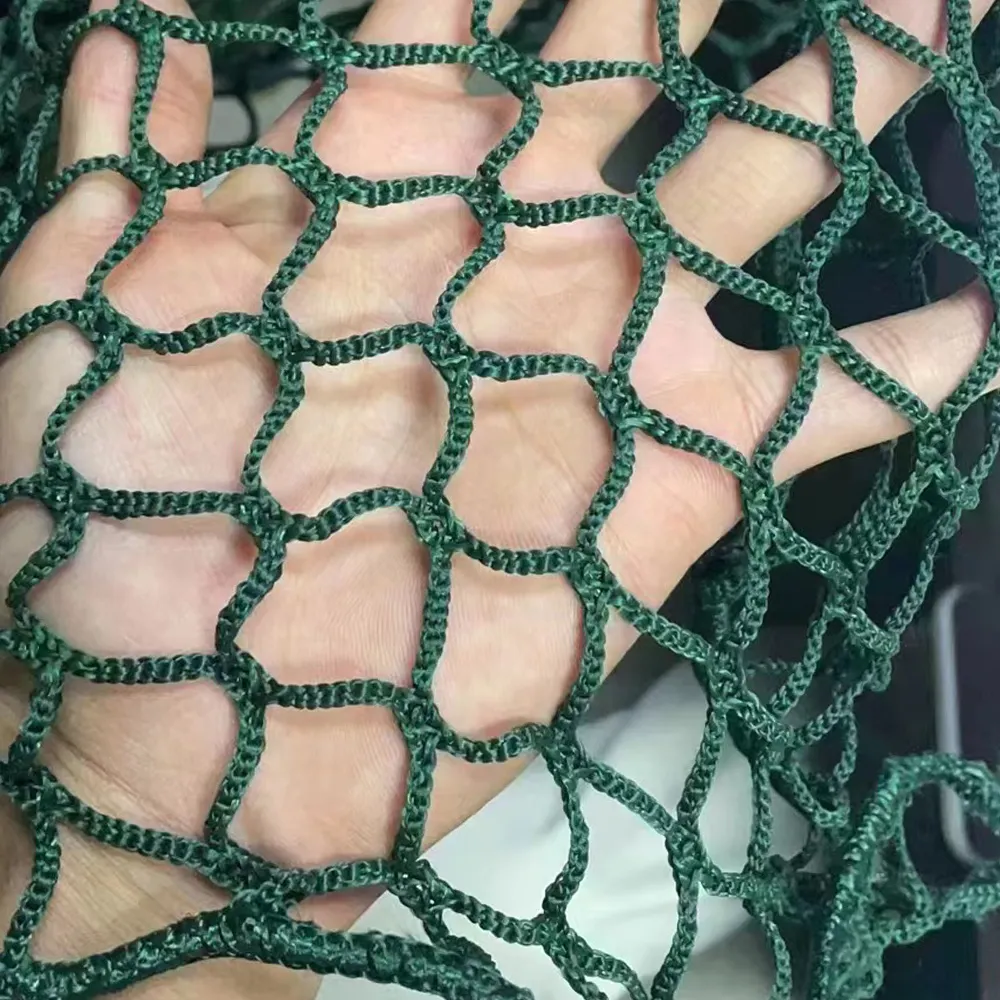
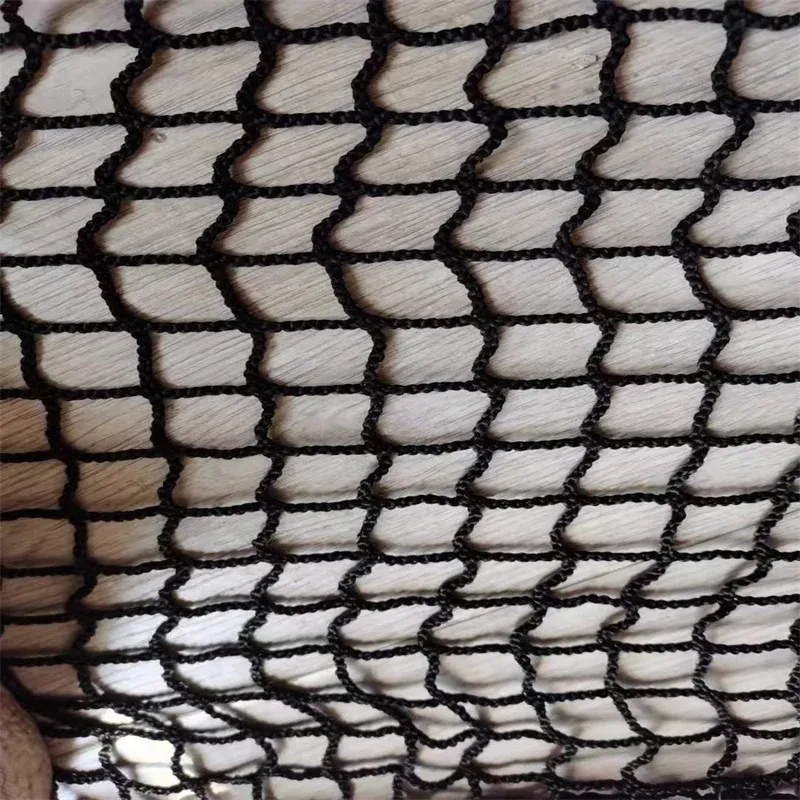
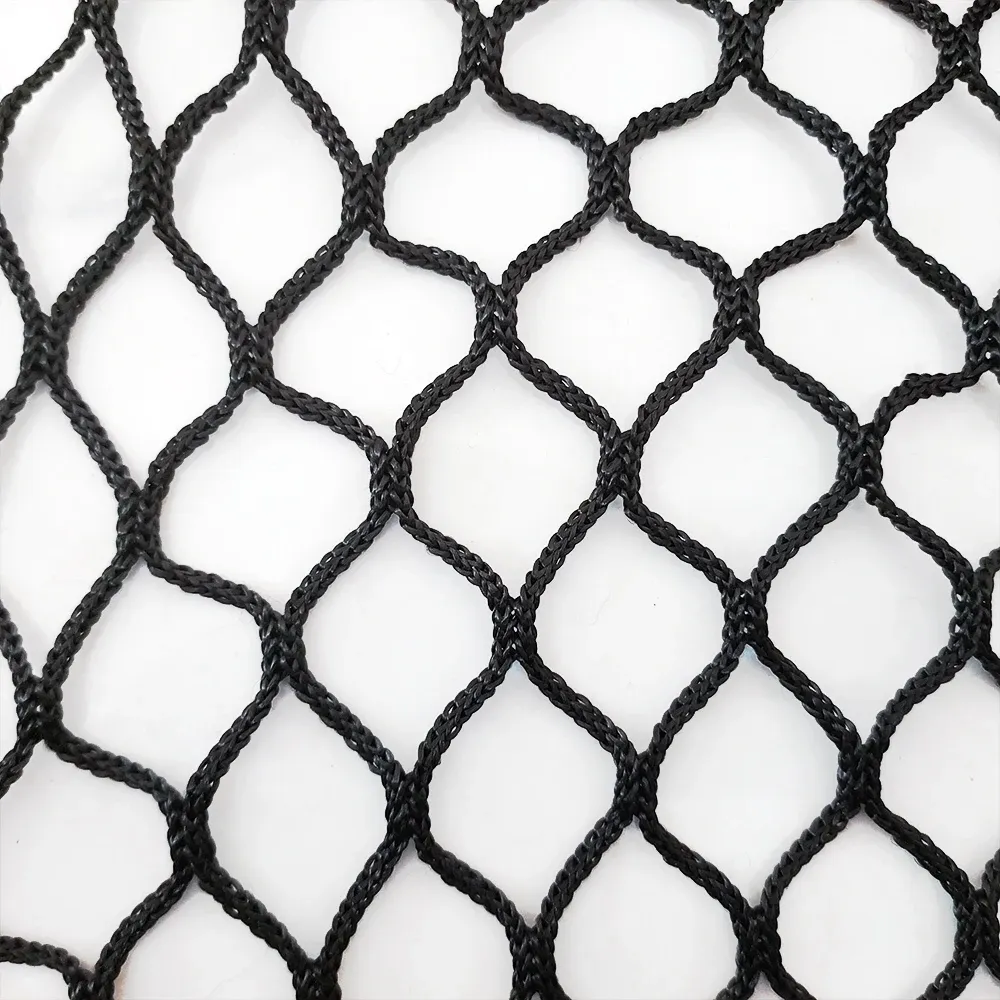
Practice Cage Netting, 20 mm (0.79 in) mesh, 2 mm twine
Side and roof panels for batting cages and practice lanes
| Material | Polyester (factory sample) |
|---|---|
| Mesh | 20 x 20 mm (0.79 x 0.79 in) |
| Twine diameter | 2 mm (0.08 in) |
| Width | 1-10 m |
| Length | 10-100 m |
| Colours | Green, blue, yellow, red, black |
| Supplier-stated lifespan | 5 years |
Practice Cage Netting, 20 mm (0.79 in) mesh, 3 mm twine
Impact zones behind batting positions in cages and lanes
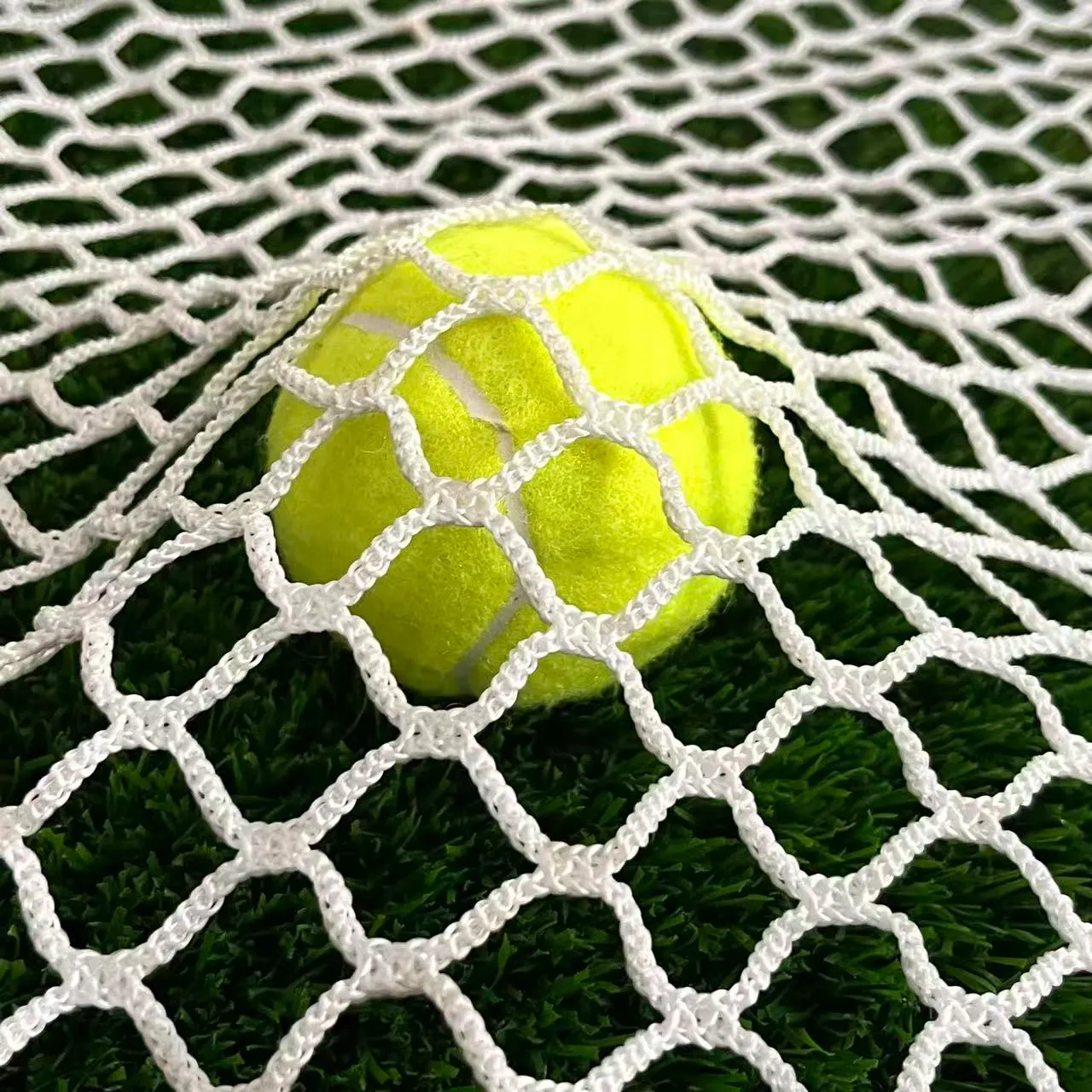
| Material | Polyester (factory sample) |
|---|---|
| Mesh | 20 x 20 mm (0.79 x 0.79 in) |
| Twine diameter | 3 mm (0.12 in) |
| Width | 1-10 m |
| Length | 10-100 m |
| Colours | Green, blue, yellow, red, black |
| Supplier-stated lifespan | 5 years |
Typical applications
- Baseball and softball backstops
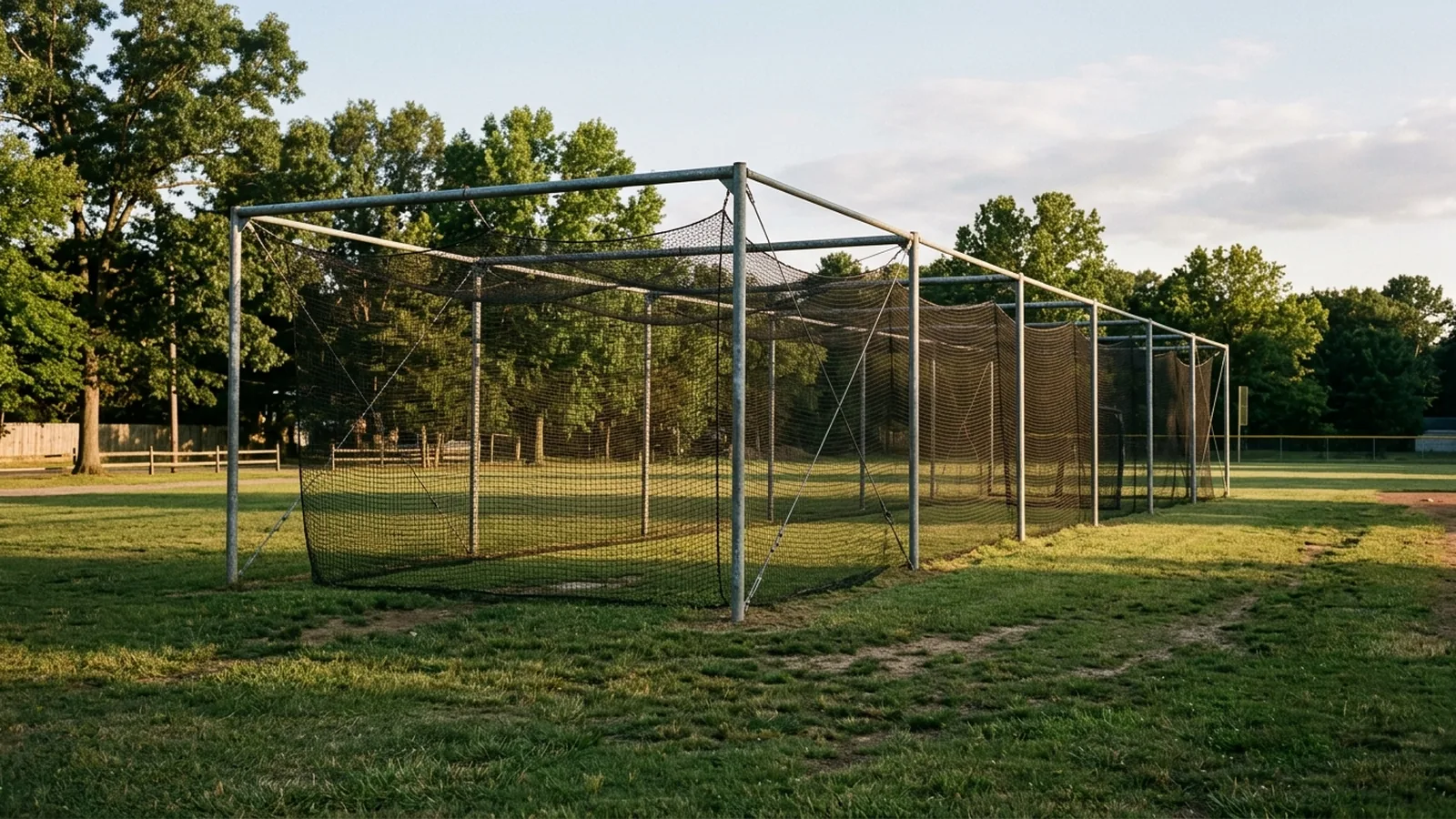
- Batting cage tunnels
- Cricket practice lanes
- Impact panels behind hitting positions
Specify it from published figures
Nothing on this page is a guess, and neither is anything on the pages below. These are the reference tables and guides that answer the specification questions this family raises most often, each figure attributed to the federation, standard or manufacturer that published it.
- Compare sports netting quotes: free editable matrix Record material, mesh measure, twine, finished dimensions, edges and delivery scope before comparing two suppliers on price.
- Knotted vs knotless netting governing body specifications name a construction here more often than anywhere else, and the ECB states its cricket mesh two ways at once.
- Cricket net dimensions: the ECB numbers in one page Outdoor lane sizes, indoor bays and the 3 m to 5 m height question, taken from ECB and Sport England documents rather than from sellers. The figures that decide a lane panel before any netting is quoted.
- Twine gauge chart: what #21, #36 and #42 mean The heavier panel behind the hitting position is a twine decision. The chart converts our documented 2 mm, 3 mm and 4 mm twine into the gauge numbers US cage specifications are written in.
- Batting cage twine gauge by level, and where sellers disagree The gauge two US sellers publish for each level of play, from youth to commercial, each figure credited. It also shows why the same gauge carries breaking strengths about seventy percent apart, HDPE against nylon, which is what makes two cage quotes look comparable when they are not.
- Mesh size chart by sport, with official ball sizes A baseball, a cricket ball and a softball are three different diameters. The chart puts each beside the lane mesh sellers publish for it, and shows why the 20 to 30 mm quoted for cricket is a perimeter ball stop, not a lane.
How sourcing works
- Send your requirement through the quote form: sport or use case, dimensions, quantity, destination.
- We clarify the specification with you and confirm it in writing with our manufacturing partner.
- You receive a documented quote; first personal reply within 2 business days.
- On order: production, quality checks per agreed scope, and shipping coordination.
Frequently asked questions
Which twine weight do I need for a batting cage?
It depends on where the panel sits. Factory samples of the 20 mm mesh exist in 1, 2, 3 and 4 mm twine: the lighter weights suit side and roof panels, the heavier weights suit the zones that take direct hits. Tell us the layout and we split the specification per panel.
Is 20 mm mesh right for both baseball and cricket?
It stops both balls, and the supplier lists it for its baseball backstop and cricket practice products, but it is tighter than the lane standard for either: 1-3/4 in (44.45 mm) for baseball, and 48 mm (50 mm knot to knot) for indoor cricket bays under ECB TS2, close to the 45 and 50 mm meshes the supplier also lists. The 20 to 30 mm that Huck (UK) publishes for cricket is a perimeter ball stop figure, not a lane mesh. Choose the 20 mm where the cage must also stop smaller balls, such as golf balls.
Can panels be sewn to my cage dimensions?
Yes. The supplier's processing covers weaving, cutting, sewing and packaging, with listed widths of 1-10 m and lengths of 10-100 m. Send the cage drawing and we quote per finished panel.
Does the price include the frame?
No. This is the netting only. Poles, cables, carabiners and tensioning hardware are not part of the supplier listing, so plan those separately or ask us to flag it in the quote.
Can I order a sample first?
Not a physical one: we hold no stock. We share the available factory photographs and ask for a matching photo of your chosen combination before ordering.
We reply within 2 business days with questions or a documented quote.