Ball stop netting for field perimeters
What you receive before ordering
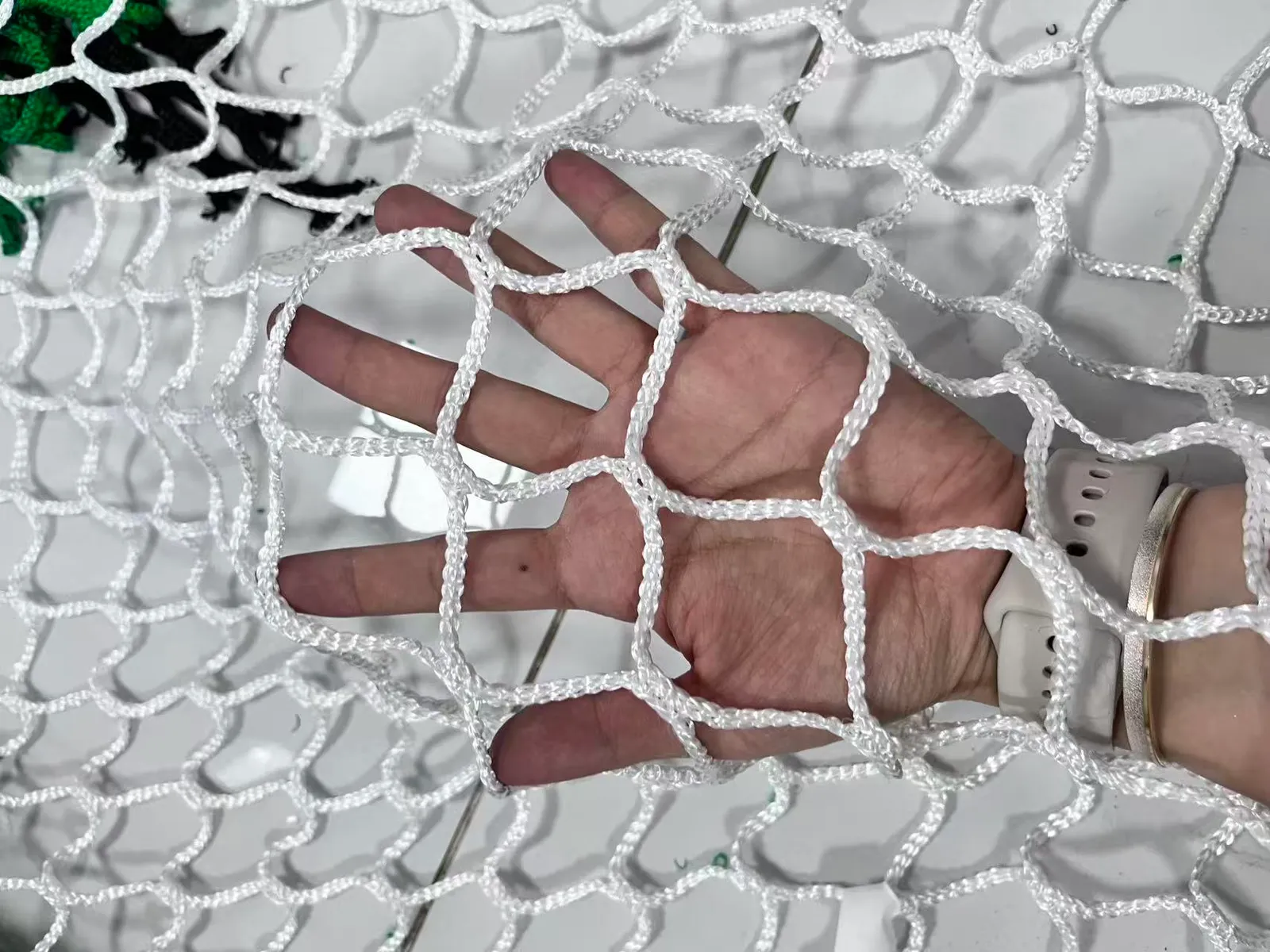
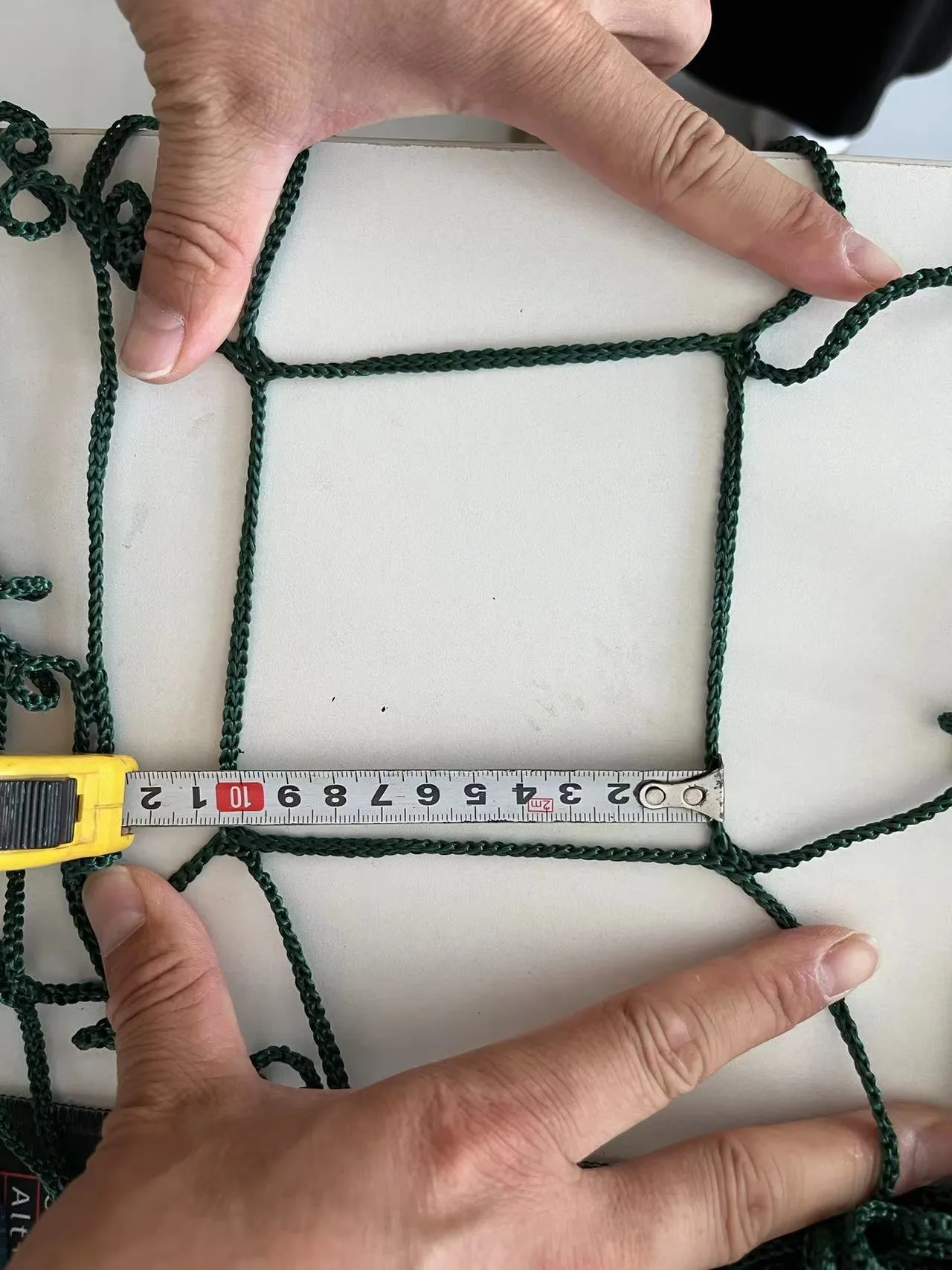
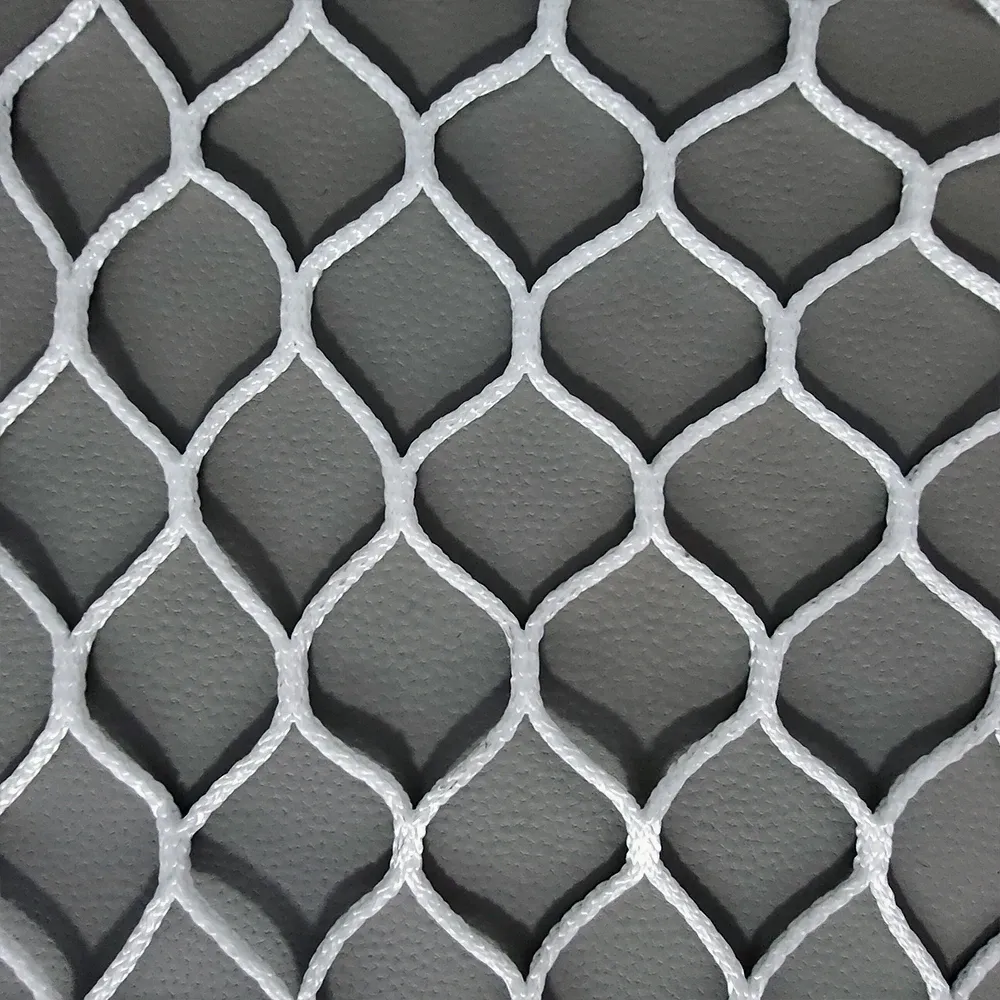
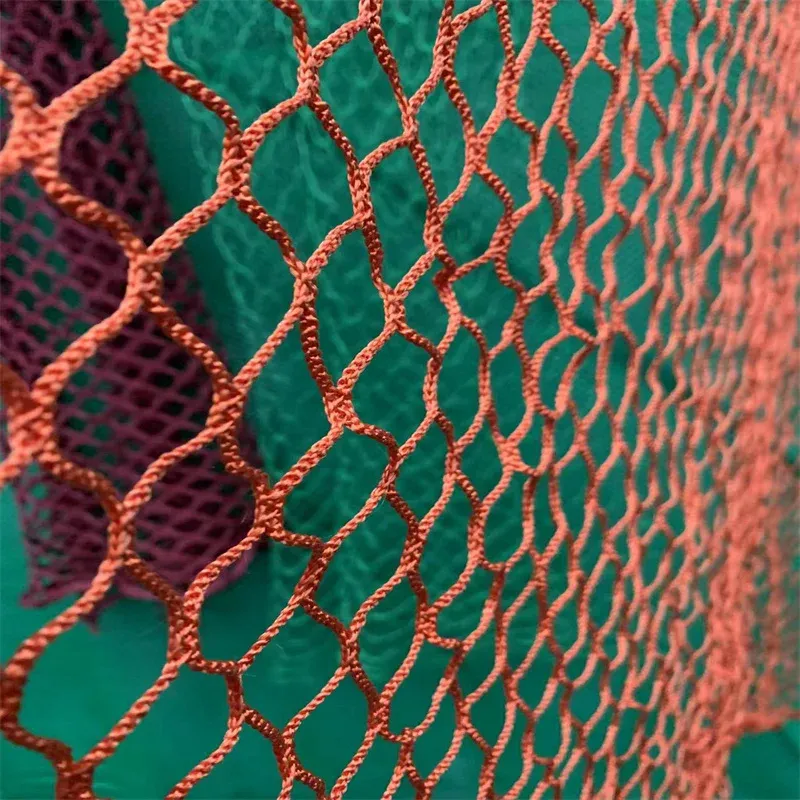
Specifications
| Product | Ball stop / perimeter barrier netting |
|---|---|
| Material | PP / PE / nylon per supplier listing; knotless polyester per supplier description and brochure |
| Mesh options | 45 x 45 mm (1.77 x 1.77 in), 100 x 100 mm (3.94 x 3.94 in) and 120 x 120 mm (4.72 x 4.72 in) on the heavy perimeter line |
| Twine diameter | 4 mm (0.16 in) or 5 mm (0.20 in), supplier-documented; 3 to 3.5 mm (0.12 to 0.14 in) on the perimeter programme and 6 mm (0.24 in) at 120 mm mesh, supplier-stated |
| Width | 1-100 m |
| Length | 10-100 m |
| Colours | Green, blue, yellow, red, black; white per supplier description |
| Supplier-stated lifespan | 5 years |
| MOQ | From 1 sq m on some lines; 1,000 sq m on others, confirmed per specification |
| Lead time | Supplier states 10-60 days after payment, plus freight |
When to use it
Use it when
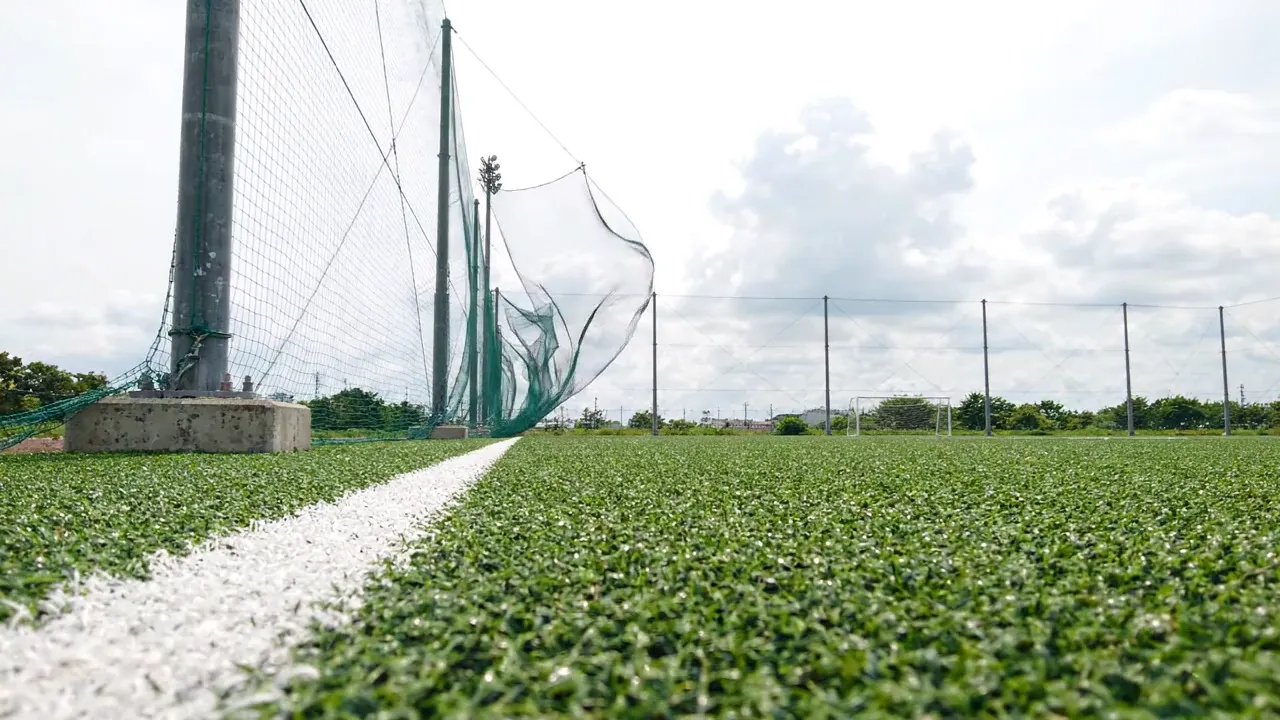
You need to keep balls inside a pitch, court or practice area, or to protect walkways, parking and spectators directly behind it.
Do not use it when
You need to contain golf balls or other small fast projectiles: a 45 or 100 mm perimeter mesh lets them through, so use the 20 mm golf barrier mesh instead.
Common buying mistake. Buying perimeter netting on price per square metre instead of ball size. The 100 mm mesh costs less per metre but lets tennis balls, hockey balls and baseballs straight through; match the mesh to the smallest ball used on the site.
Documented sourceable specifications
Knotless Polyester Ball Stop Netting, 45 mm (1.77 in) mesh, 4 mm twine
Tennis court enclosures and multi-sport perimeter fencing
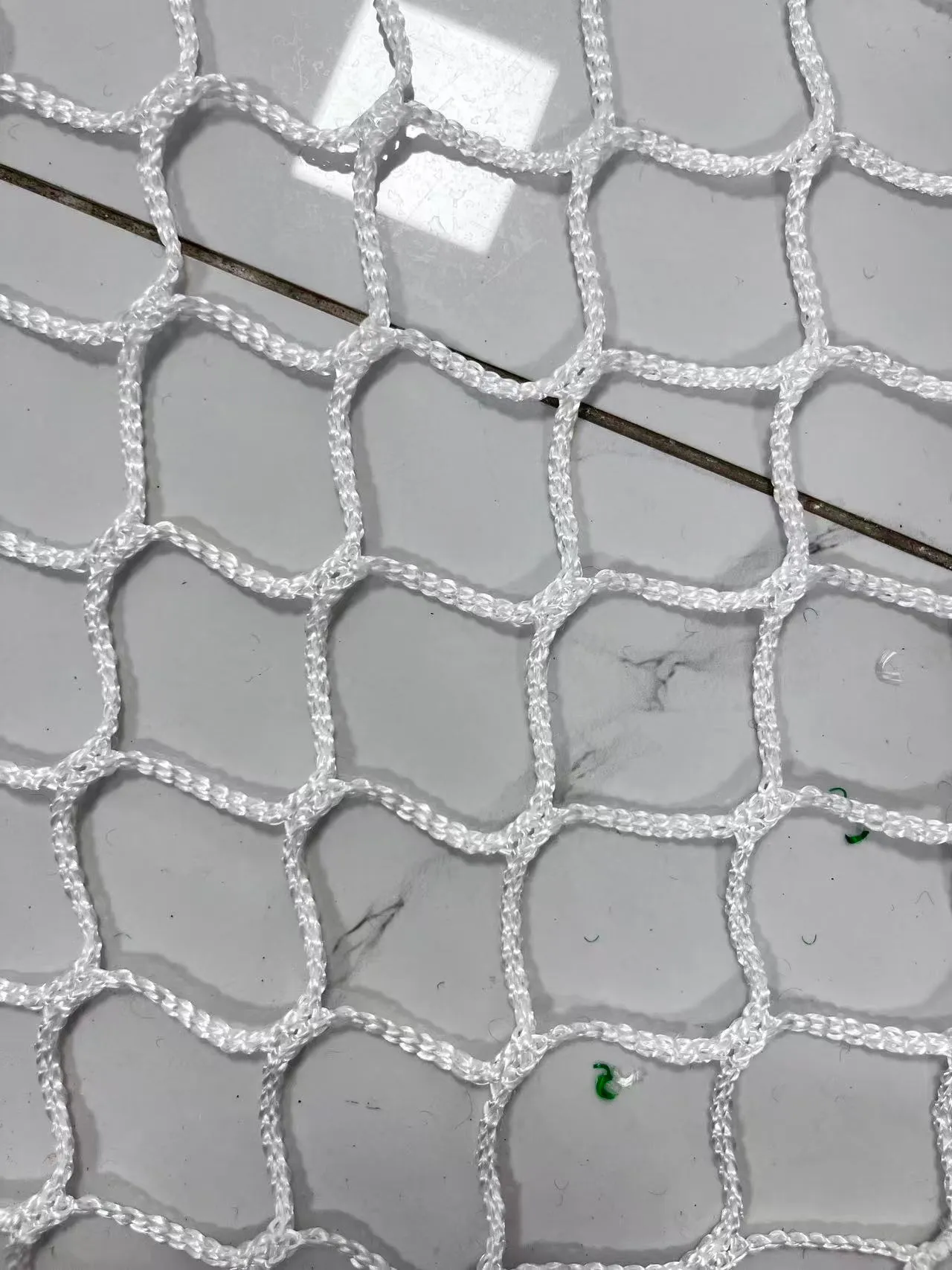
| Material | Polyester, knotless (factory sample) |
|---|---|
| Mesh | 45 x 45 mm (1.77 x 1.77 in) |
| Twine diameter | 4 mm (0.16 in) |
| Width | 1-100 m |
| Length | 10-100 m |
| Colours | Green, blue, yellow, red, black; white per supplier description |
| Supplier-stated lifespan | 5 years |
Knotless Polyester Ball Stop Netting, 100 mm (3.94 in) mesh, 4 mm twine
Football and rugby field perimeter netting
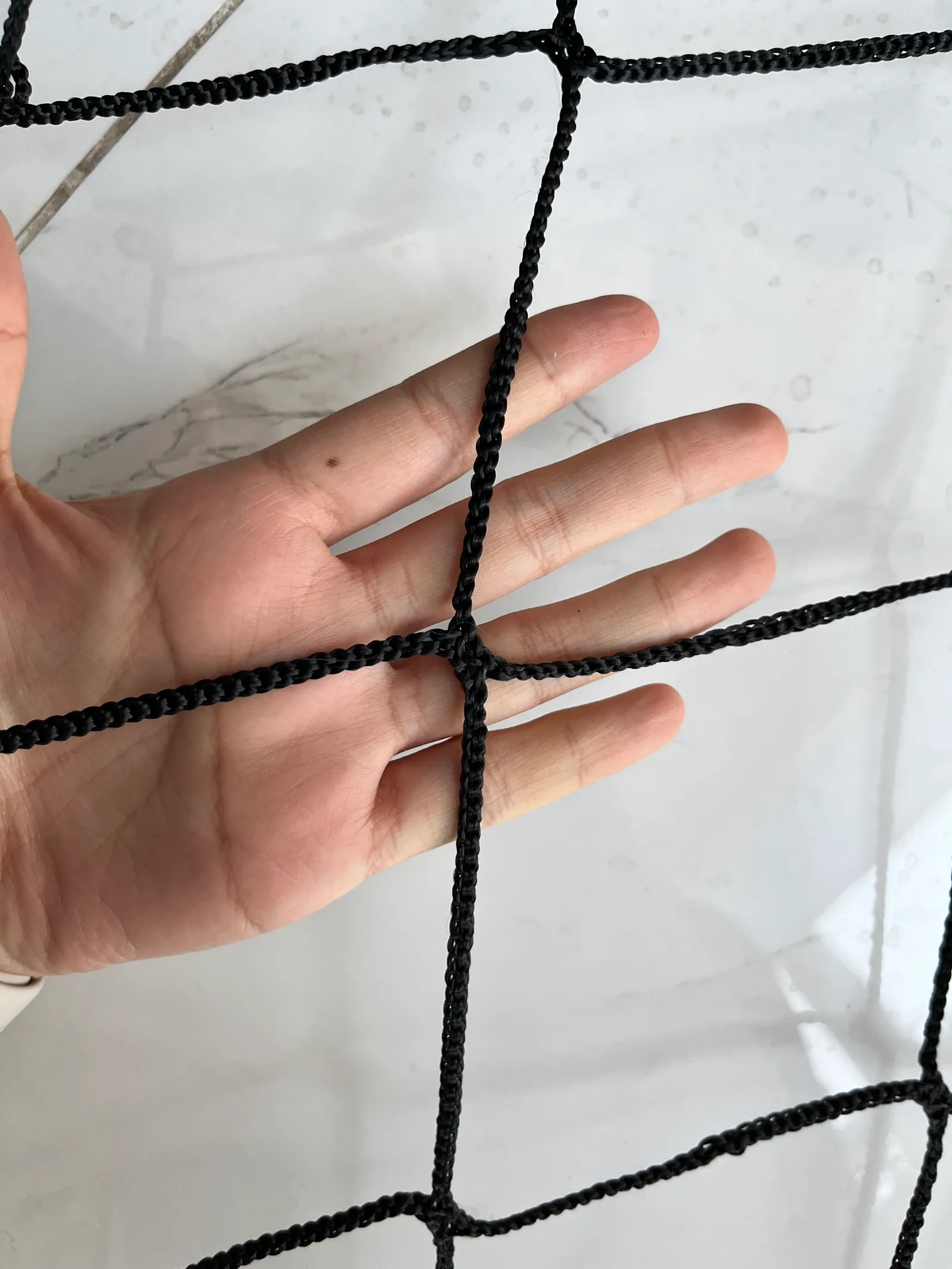
| Material | Polyester, knotless (supplier description; brochure lists polyester knotless for field enclosures) |
|---|---|
| Mesh | 100 x 100 mm (3.94 x 3.94 in) |
| Twine diameter | 4 mm (0.16 in) |
| Width | 1-100 m |
| Length | 10-100 m |
| Colours | Green, blue, yellow, red, black; dark green and black listed in the supplier brochure |
| Supplier-stated lifespan | 5 years |
Knotless Polyester Ball Stop Netting, 100 mm (3.94 in) mesh, 5 mm twine
Football and rugby perimeters where a heavier twine is preferred
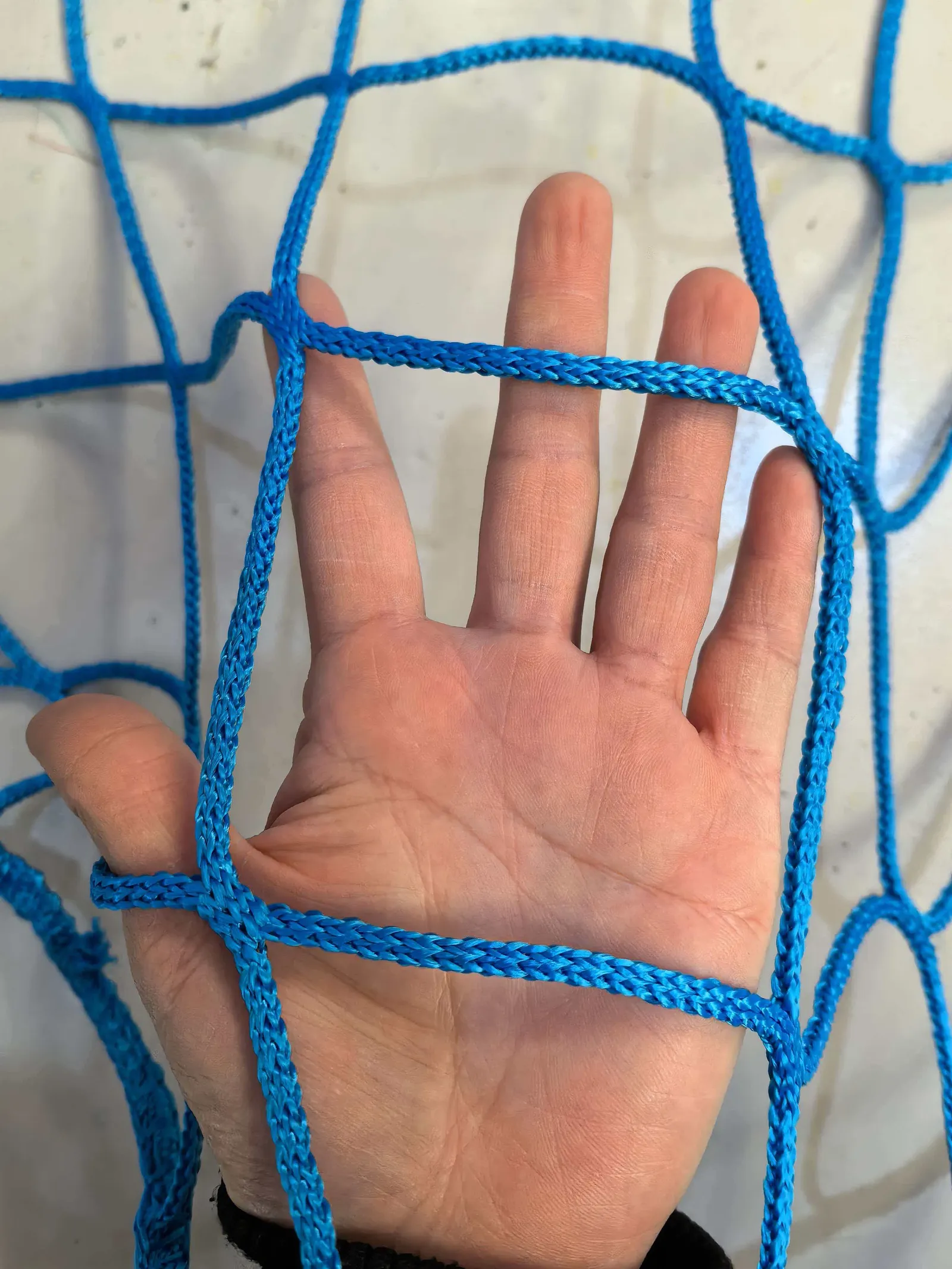
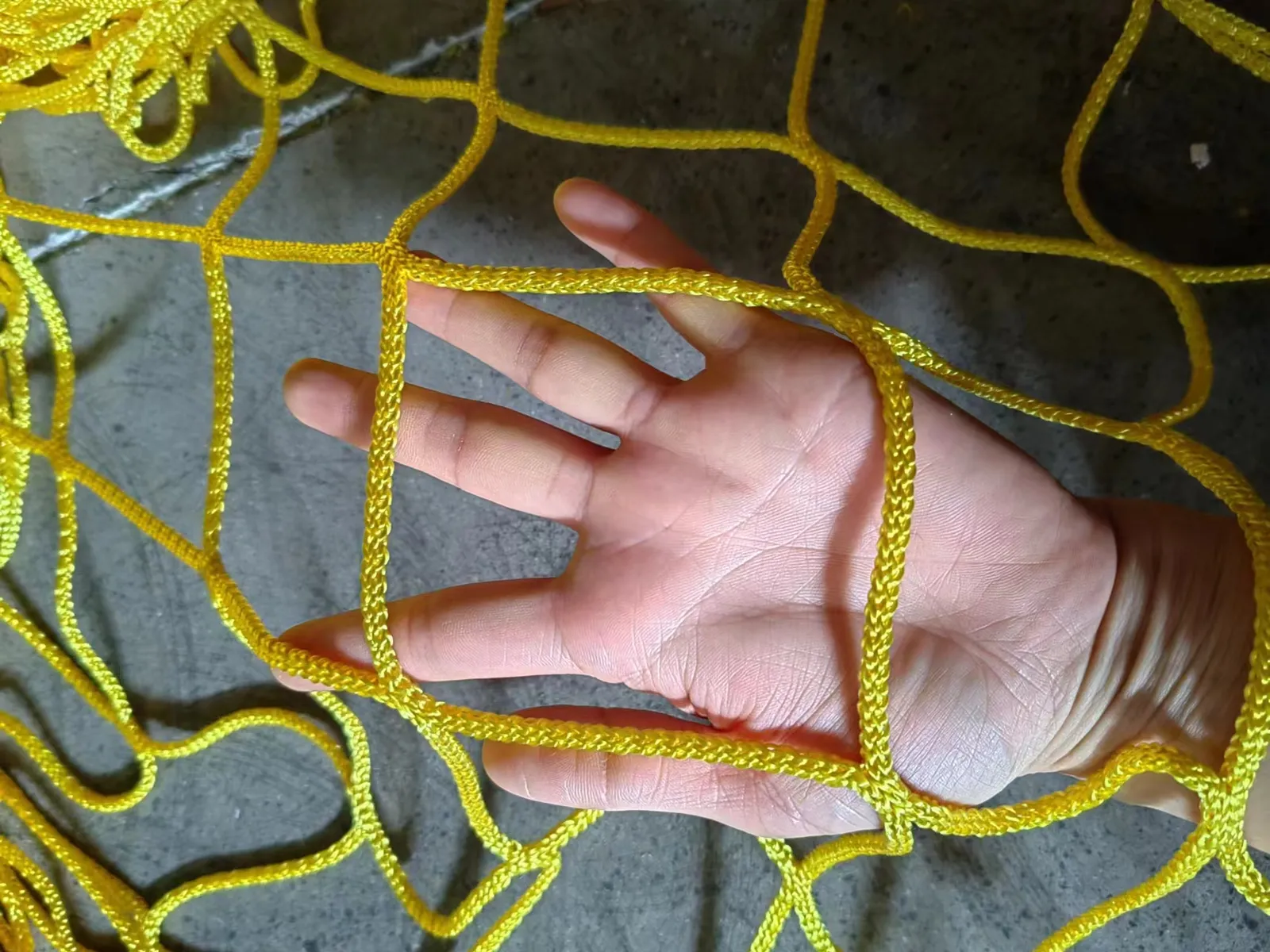
| Material | Polyester, knotless (factory sample) |
|---|---|
| Mesh | 100 x 100 mm (3.94 x 3.94 in) |
| Twine diameter | 5 mm (0.20 in) |
| Width | 1-100 m |
| Length | 10-100 m |
| Colours | Green, blue, yellow, red, black; white per supplier description |
| Supplier-stated lifespan | 5 years |
Typical applications
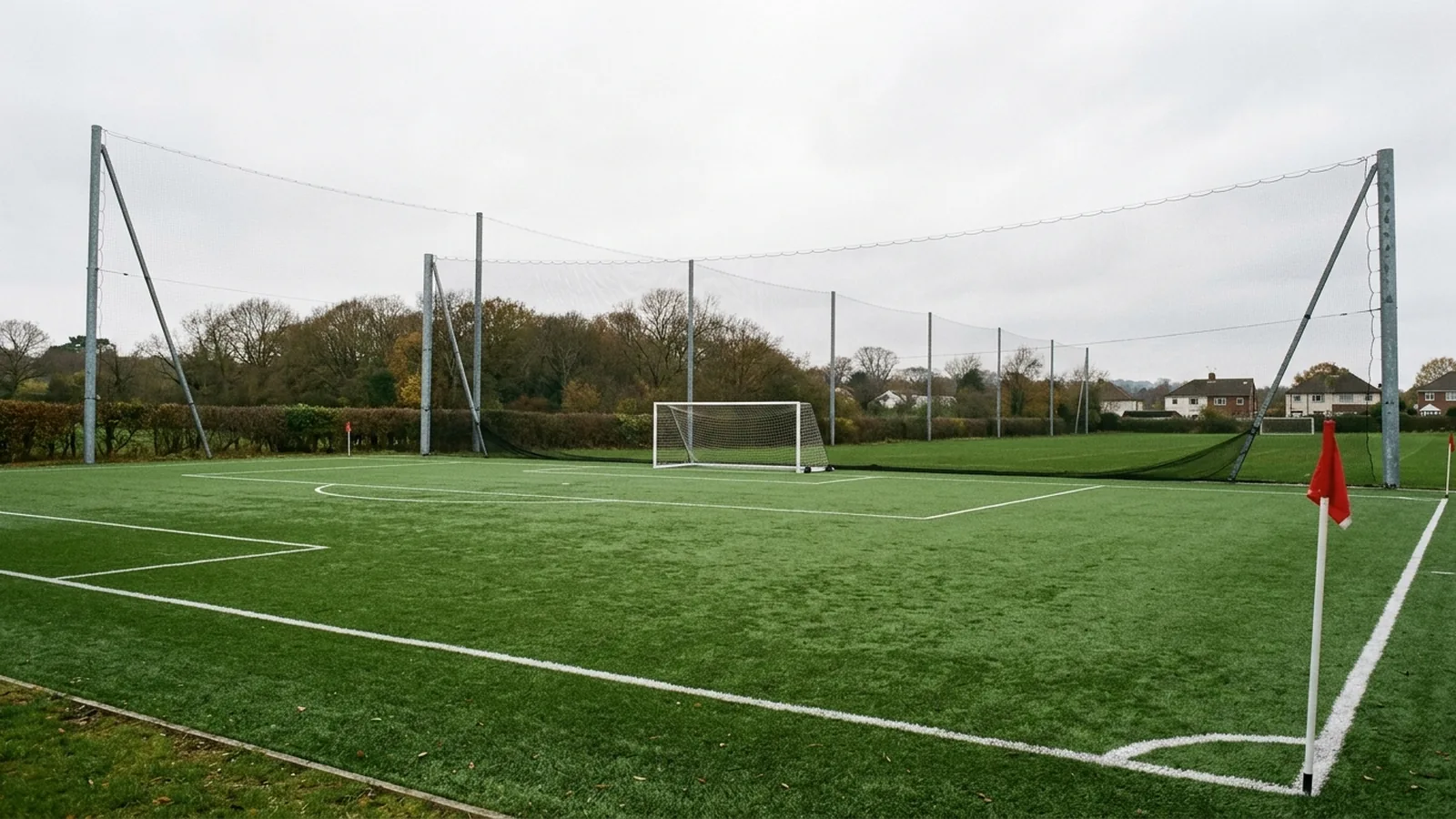
- Football and rugby field perimeters
- Tennis court enclosures
- Multi-sport barrier fencing
- Ski area and spectator protection
- Caged pitch roofs and side screens
Specify it from published figures
Nothing on this page is a guess, and neither is anything on the pages below. These are the reference tables and guides that answer the specification questions this family raises most often, each figure attributed to the federation, standard or manufacturer that published it.
- Compare sports netting quotes: free editable matrix Record material, mesh measure, twine, finished dimensions, edges and delivery scope before comparing two suppliers on price.
- Knotted vs knotless netting the construction question on a net that bears on posts and cables for years, and the measurement trap that makes two mesh figures look different when they describe the same net.
- How high should ball stop netting be? The FA publishes 4.5 m and 3 m for football perimeters; Sport England publishes no height at all for MUGAs. The guide shows what each source actually says, and what the market sells where nobody publishes anything.
- DIN 18035-1: what a German ball stop fence is specified against The German market is the one we have documented where a national standard publishes perimeter heights, 6 m behind the goals and 4 m along the sides. The page shows the four German readings of it that do not agree, and the 50 mm steel base that means the net covers the upper 4 m of a 6 m barrier and not its full height.
- Mesh size chart by sport, with official ball sizes The 45 mm mesh holds a tennis ball, the 100 mm mesh does not. The chart puts each federation ball diameter next to the published mesh recommendations, so the choice is made against the smallest ball on site.
- Twine gauge chart: diameters and breaking strengths What the 4 mm and 5 mm twine on this page becomes in US gauge terms, with the breaking strengths sources publish differently, shown side by side instead of averaged.
- The RFQ checklist: write one shared specification A run length, a height and a mesh are three of the seven fields a perimeter quote needs. The checklist is the other four.
How sourcing works
- Send your requirement through the quote form: sport or use case, dimensions, quantity, destination.
- We clarify the specification with you and confirm it in writing with our manufacturing partner.
- You receive a documented quote; first personal reply within 2 business days.
- On order: production, quality checks per agreed scope, and shipping coordination.
Frequently asked questions
Which mesh size should I choose for a perimeter fence?
Match the mesh to the smallest ball on site. The 45 mm (1.77 in) mesh holds tennis balls and everything larger, so it suits court enclosures and mixed-use fields. The 100 mm (3.94 in) mesh is the football and rugby perimeter option; smaller balls pass through it.
Is the netting knotted or knotless?
The factory samples our manufacturing partner photographed for the 45 mm and 100 mm meshes are knotless polyester, and the supplier brochure lists knotless polyester in 4 mm twine for field enclosures. Knotless construction has no knot points to abrade against posts and cables.
What panel sizes can be made?
Listed widths run from 1 to 100 m and lengths from 10 to 100 m. The supplier processes netting by weaving, cutting and sewing, so panels are made to your dimensions rather than sold only in fixed rolls.
Which colours are available?
Green, blue, yellow, red and black are in the listing, and the supplier description also includes white. Dark green and black are the usual choices for perimeters because they read as transparent against grass and sky.
Can I get a sample before ordering?
Not a physical one: we hold no stock. We share available factory photographs and request a matching photo of your chosen combination before ordering.
How long does an order take?
The supplier states 10-60 days after payment depending on the order, with express freight around 1-2 weeks and sea freight around 30 days on top. Tell us your installation date and we plan backwards from it.
Is a cage roof net the same product as a side screen?
No. A side screen hangs and takes ball impact; a roof carries its own weight plus wind and water across the span, so it is specified lighter in twine and tighter in fixings. The programme lists a 2 mm (0.08 in) anti-ageing rope at 100 mm (3.94 in) for roofs, against 3 to 4 mm (0.12 to 0.16 in) on the sides. State roof or side: we do not quote one against the other.
We reply within 2 business days with questions or a documented quote.